Cricket bat size by player height: a named-brand reference
Use this as an example from Gray-Nicolls, not a universal chart for every manufacturer. The height bands narrow down what to try; the player still needs to compare length and manageable pickup. The centimetre equivalents below are rounded conversions of the maker’s published feet-and-inches bands.
| Size | Player height | Approx. centimetres |
|---|---|---|
| 0 | Below 4 ft | Below 122 |
| 1 | 4 ft–4 ft 3 in | 122–130 |
| 2 | 4 ft 3 in–4 ft 6 in | 130–137 |
| 3 | 4 ft 6 in–4 ft 9 in | 137–145 |
| 4 | 4 ft 9 in–5 ft | 145–152 |
| 5 | 5 ft–5 ft 3 in | 152–160 |
| 6 | 5 ft 3 in–5 ft 5 in | 160–165 |
| Harrow (H) | 5 ft 5 in–5 ft 7 in | 165–170 |
| Short handle (SH) | 5 ft 9 in and above | 175 and above |
| Long handle (LH) | 6 ft and above | 183 and above |
Gray-Nicolls also lists intermediate or range-specific options, including Super Lite and GEM; omitted rows are not a recommendation to jump sizes. Check the full current manufacturer chart for the exact range.
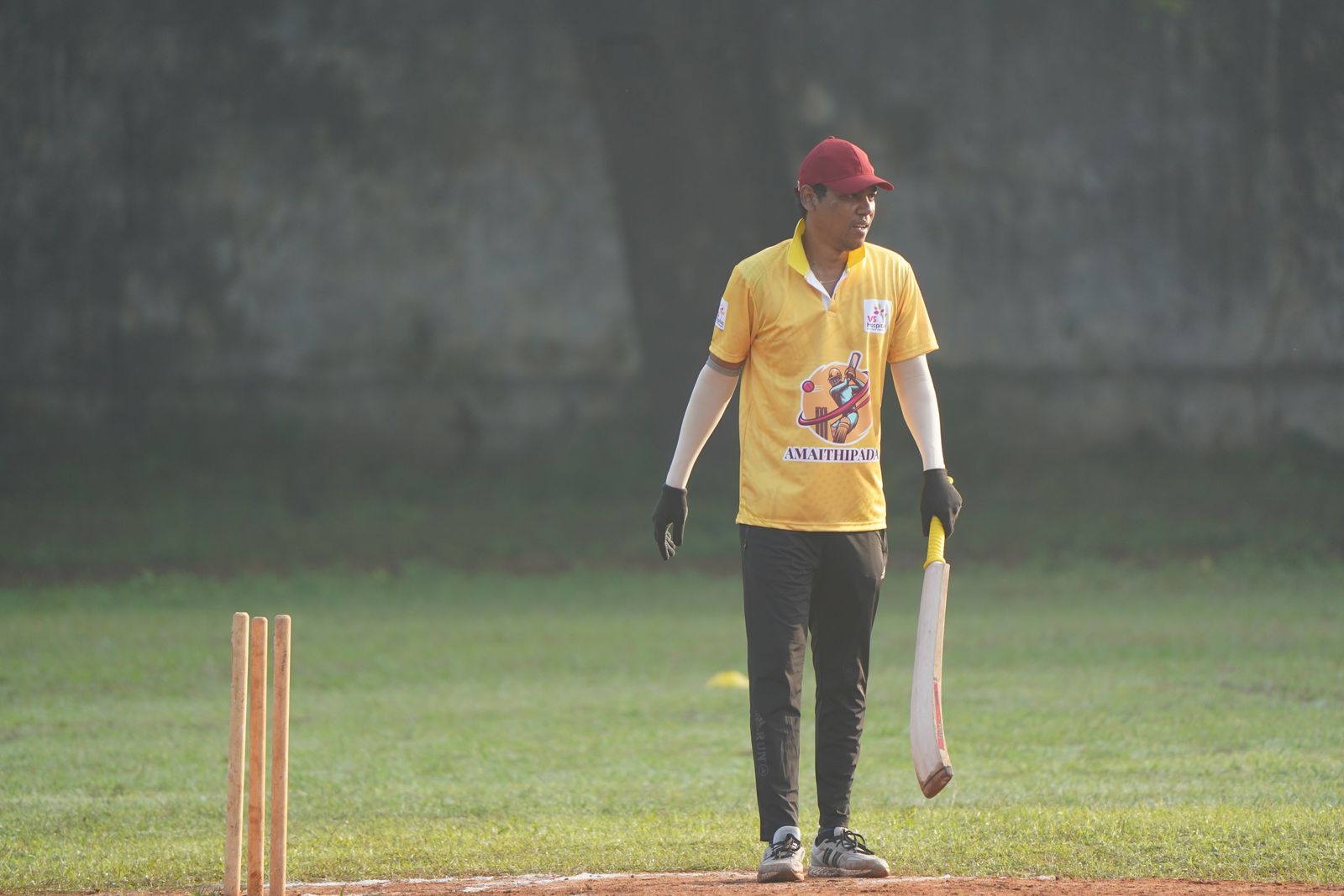
Should you buy a junior bat to grow into?
A large growth allowance can make present-day technique harder to learn. Reaching for a long handle or hauling a heavy blade through the shot encourages compensation. Prefer a bat that works now, and reassess during noticeable growth or when the stance changes. An older sibling’s bat can be useful only if it genuinely fits the younger player. Saving money through hand-me-down equipment should not take priority over the ability to control it.
Understanding Harrow, short handle and long handle
Harrow commonly sits between numbered junior bats and adult categories. Adult short-handle and long-handle options are not a universal sequence that every player must progress through. A tall player may prefer a longer configuration, while another may remain comfortable with a short handle. Some bats also change blade length, so read the full specification. Compare overall length, handle length and pickup rather than choosing from the printed handle abbreviation alone.
Buying online without a fitting session
Use a retailer that supplies dimensions, approximate weight information and a clear returns policy. Measure the comfortable existing bat for comparison. Ask whether the listed weight refers to the particular bat or a broad range, and whether preparation or customisation affects returns. Keep the packaging until fit has been checked indoors with gentle movements. Do not oil, knock in or play with the bat before resolving a size concern, because altering it may affect your return options.
Step 1: collect measurements that answer the right question
Record the player’s standing height using the method requested by the chosen manufacturer, and keep the units clear. If a comfortable current bat exists, note its size label, overall length and handle setup as a reference. Do not copy a number from a different brand’s generic chart and assume the categories match perfectly. A measurement should help identify which products to try, not make the fitting decision before the player touches them. For a child, use a current measurement rather than one from school records months earlier. If two adults are helping with the purchase, share the same note so the retailer does not receive conflicting estimates. Accurate simple information is more useful than an elaborate chart based on guesses about age or future growth.
Step 2: test the chart’s suggested category
Take the suggested size into a clear fitting area with normal gloves and suitable footwear. Ask the player to use their usual stance rather than positioning them to make the bat look correct. Make a few gentle straight movements and return to a settled position. Observe whether the bat reaches naturally, clears the feet and remains manageable without an exaggerated crouch or shoulder lift. Compare the neighbouring size only when a specific concern justifies it. Use broadly comparable profiles if possible so a large weight difference does not confuse a length comparison. The chart has done its first job by narrowing the range. The next job is seeing how the actual bat behaves with the actual player rather than defending a category because it appeared in a table.
Step 3: separate a length problem from a pickup problem
If the suggested size looks appropriate in stance but feels tiring in motion, compare another example of the same length with a different weight or balance. A lighter manageable profile may solve the issue without changing the contact position. If the toe catches or the player must alter posture substantially, examine length and technique with a coach. More than one factor can be involved, so avoid treating every problem as proof that the chart is wrong. Keep the comparison controlled and take breaks if the player becomes fatigued. This process is especially useful around junior-to-adult transitions, where extra length changes leverage and a familiar weight figure may no longer feel familiar. A clear diagnosis supports a better purchase than repeatedly moving up and down size labels at random.
Step 4: check the final configuration before preparation
Once a candidate is selected, confirm its actual dimensions and the handle arrangement the player will use. Wear gloves and check any intended approved grip setup before deciding that fit is complete. Ask the retailer whether oiling, knocking in, engraving or custom adjustments affect return options. Resolve uncertainty while the bat remains clean and unaltered. Photograph or record the selected size and model so the delivered or collected bat can be checked against the order. If ordering remotely after a shop fitting, confirm that the online product is the same configuration rather than merely the same family name. The final check protects the usefulness of the fitting work; it does not require a live-ball test or a forceful swing in an unsuitable space.
Example: a child between two chart categories
Suppose a child’s current height falls near a boundary in a maker’s published guide. The family tries the two relevant sizes instead of automatically choosing the larger for future growth. One lets the child take a normal stance but feels heavy in its particular profile. A lighter example of that size becomes manageable, while the longer option still requires an awkward compensating posture. The coach confirms the practical observation and the family selects the usable size now. They record the fit and plan to review it during growth. This hypothetical example deliberately avoids a universal height number: the exact chart belongs to the manufacturer and the individual child still needs assessment. The useful lesson is comparing both length and handling rather than letting an age label or a growth prediction decide.
Example: a tall adult considering long handle
A tall adult feels that an old bat is too short, but has never compared adult configurations. At a fitting, the retailer checks the existing dimensions and offers a long-handle option alongside a manageable short-handle example with a different profile. The player performs the same controlled movements and discusses the cramped feeling with a coach. One longer configuration improves the working position; another feels cumbersome despite a similar label. The final choice follows those observations and the full dimensions, not height alone. The example does not say that every tall player needs long handle or that all short-handle bats are identical. It shows why labels are useful categories while blade length, grip position and balance still have to work together for the actual player.
How to read a manufacturer’s bat size chart
Start by checking which brand and product range the chart describes. Distinguish the player-height column from the bat’s own dimensions, and check whether measurements are in centimetres, inches or both. Do not compare a number from one unit with a range printed in the other. If a chart includes approximate ages, treat them as context rather than a replacement for current height and a fitting check. A second chart may use slightly different category boundaries, so ask the retailer which applies to the actual product. Weight and balance often require separate information; a height table does not certify them. Keep a link or copy of the relevant published guidance with the purchase record, and check the current version when replacing the bat rather than relying on an old screenshot alone.
A review routine for growth and changing needs
Recheck when height changes noticeably, the player reports a new fit problem or a move to another format changes equipment needs. Inspect the current bat first so a damaged grip or condition issue is not mistaken for growth. Ask what specifically feels different during stance and movement. Use the original fitting record as a reference, then take current measurements and compare appropriate options. Do not schedule a mandatory size increase every birthday or every season regardless of fit. Some players remain comfortable in a category while others need an earlier reassessment. The objective is keeping equipment useful through change, not completing a fixed progression of labels. A brief record of observations makes the next review easier and helps a coach or retailer give advice tied to the actual problem.
Between sizes: decide what is actually failing
A chart boundary creates a shortlist, not a requirement to pick the larger option. Suppose a player tries the suggested size and a neighbouring longer size. The shorter candidate allows a normal stance but feels tiring; the longer one catches the ground during the same gentle movement. Those are different observations. Test another manageable profile in the shorter category before treating both problems as a need for more length.
- Measure current height and identify the actual maker’s chart. Keep the product range and units visible.
- Compare length with similar manageable profiles so a weight difference does not dominate the comparison.
- Repeat the same gentle defensive movement and straight swing in gloves. Ask the player to describe where the movement becomes awkward.
- Record the chosen configuration and the specific problem it solved before authorising preparation or personalisation.
For an online purchase, ask the retailer a narrow question: “Does this exact bat have the same overall and blade length as the one tried?” is more useful than “Is this suitable for my age?” Keep the answer with the order. If the concern remains unclear, retain the unaltered bat and resolve the fitting question within the return process. Buying future growth at the expense of present control is not automatically a saving, and an old comfortable fit is a reference rather than proof that every replacement bearing the same label will feel identical.
A practical example
Two juniors measure the same height and are directed to the same size category. One controls a lighter example comfortably; the other prefers a different balance within that category. The chart narrows the search, while the fitting session identifies the actual bat. Neither needs an oversized bat solely because a birthday is approaching.
Sources & scope
Equipment construction and instructions vary by manufacturer and model. Check the instructions supplied with your own item. This is an independent explanatory guide, not a product test, certification or brand endorsement.